

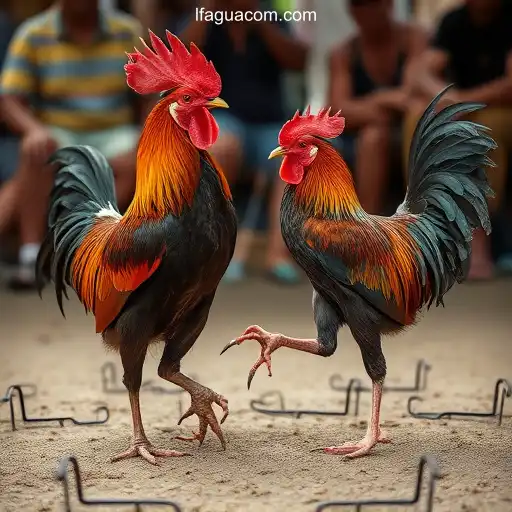
Understanding Sabong Games: A Unique Cultural Tradition
Sabong games, also known as cockfighting, are deeply rooted in history and culture, particularly within Southeast Asia. These games can be traced back thousands of years, highlighting a significant aspect of social and cultural heritage for many communities. While the practice remains controversial, it continues to hold cultural significance and persists as a popular traditional sport.
The Historical Background of Sabong Games
Sabong originates from ancient times, with cockfighting's roots seen in various civilizations across the globe, including Persia, Greece, and China. However, it is in the Philippines and other parts of Southeast Asia where this tradition has flourished into a distinctive cultural element.
In the Philippines, sabong was documented as early as the 16th century during the Spanish colonization, where it was not only a pastime but also a form of resistance to colonial rule. Today, it represents a blend of traditional values, social bonding, and even economic activity.
The Cultural Significance of Sabong
In many Southeast Asian societies, sabong is more than just a sport. It is a medium for socialization, a test of breeding and training skills, and a method of community interaction. The local cockfighting arenas are not just places for wagering but also for communal storytelling and tradition-sharing.
The sabong games are celebrated with festivals and events, often coinciding with local fiestas. This integration within larger community celebrations underlines the depth of its cultural footprint, playing a vital part in regional identities and ancestral homage.
The Mechanics of Sabong Games
The sabong game itself involves pitting two roosters against each other, often equipped with sharp, metal gaffs attached to their legs, making the event both a skill and a spectacle. These combats are carefully organized, with participants spending significant time breeding and training their gamecocks.
The rules of sabong differ in various regions, but the central aspect remains a test of the gamecock's agility, strength, and fighting spirit, often lasting only minutes. Victory in sabong can bring prestige and recognition, not just for the owners but also for the communities celebrating the victors.
Controversies Surrounding Sabong
Despite its cultural significance, sabong is surrounded by controversy, chiefly centered around animal rights and the ethical considerations of pitting animals against each other for entertainment. Animal welfare groups often criticize the practice due to concerns about cruelty and the welfare of the gamecocks.
In response, some regions have regulated the sport, imposing rules to ensure fair treatment and minimize animal suffering. Yet, enforcement varies, and debates continue over whether cultural traditions justify the continuance of such practices.
Modern Adaptations and Online Platforms
With the advent of technology, sabong has found new life on digital platforms. Virtual sabong has emerged as a way to enjoy the sport within the constraints of modern ethical standards. Online platforms offer live-streaming of matches and virtual participation, widening the sport's reach beyond its traditional boundaries.
One platform that is enhancing sabong's online presence is lfagua com Oficial 💯️ - O melhor cassino online do Brasil. They offer a digital arena for enthusiasts while also providing additional wagering options and community engagement, merging tradition with technology in an accessible manner.
Conclusion
Sabong games remain a significant, albeit controversial, part of cultural heritage in regions where they are practiced. As the world evolves, the integration of technology offers a means to preserve these traditional practices while adapting them to fit modern ethical standards. As platforms like lfagua com Oficial 💯️ - O melhor cassino online do Brasil demonstrate, the future of sabong may lie in a delicate balance between honoring tradition and embracing innovation.